|
Depth to Plant
|
Spacing Between Plants |
Days to Germinate (Sprout)
|
Germination
|
Best Season to Plant_________ |
Sun
|
Soil
|
Good Plant Companions |
Days to Maturity
|
| 1/8" Deep | 12" Apart | 14-21 Days | Between 60° F and 70° F | Spring | Full Sun | pH 6.5-7.5 | Mint | 70 |
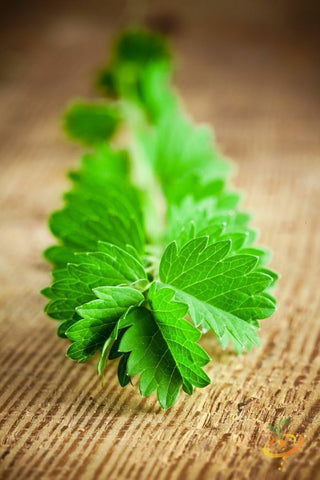
Salad Burnet is a delightful herb that adds a refreshing cucumber-like flavor to salads and beverages. Growing it from seed is straightforward, making it an excellent choice for both beginner and experienced gardeners. Here's everything you need to know to cultivate this herb successfully.
Starting Seeds Indoors vs. Outdoors
You can start Salad Burnet seeds indoors 6-8 weeks before your last spring frost, or direct sow them outdoors after the danger of frost has passed. If starting indoors, use a seed-starting mix and keep the soil consistently moist but not waterlogged. Seeds typically germinate within 7-14 days at temperatures between 60-70°F.
For direct sowing, scatter seeds on prepared soil and press them gently into place—they need light to germinate, so avoid covering them completely. Keep the seedbed moist until seedlings emerge.
Ideal Growing Conditions
Salad Burnet thrives in full sun to partial shade. While it prefers at least 6 hours of direct sunlight daily, it tolerates afternoon shade in hotter climates. The herb is remarkably adaptable to soil types and doesn't demand rich, fertile conditions. Well-draining soil is more important than nutrient density; poorly draining soil can lead to root rot.
This herb is drought-tolerant once established, so water moderately. Allow the soil to dry slightly between waterings rather than keeping it constantly wet.
Spacing and Thinning
Thin seedlings to 8-12 inches apart once they develop their first true leaves. Proper spacing ensures good air circulation and reduces disease risk. If growing indoors, transplant seedlings outdoors after they've developed 2-3 sets of true leaves and the risk of frost has passed.
Harvesting and Maintenance
You can begin harvesting leaves once the plant is 4-6 inches tall, typically 4-6 weeks after planting. Pinch off leaf tips regularly to encourage bushier growth and prevent the plant from flowering too quickly. If you allow some flowers to develop, they attract pollinators and add visual interest to your garden.
Salad Burnet self-seeds readily, so you may find seedlings returning year after year. In mild climates, it can act as a perennial, persisting through winter and producing fresh growth in spring.
Common Issues
This herb is largely pest and disease-free, especially when grown organically. The main concern is overwatering, which can cause root issues. If you notice yellowing leaves, reduce watering frequency and improve soil drainage.
With minimal care and attention, you'll have an abundant supply of fresh, flavorful Salad Burnet to enjoy throughout the growing season.
In Summary
| How to Grow & Harvest Salad Burnet |
|
When to Plant For best results, Salad Burnet should be started indoors 4-5 weeks before the last frost of the spring. Salad Burnet seeds are small and require light for germination. Sow seeds shallowly and keep well moistened. Transplant outdoors after the last frost of the season. How to Plant Salad Burnet will grow to heights of a foot taller or more, and produce cucumber-flavored leaves only approximately 2 months after germination. Choose a location that is partial or filtered shade to full sun. It is tolerant of a wide range of soil types, but should always have well drained soil.
When to Harvest Wait until the plant has reached a height of 6-8" or more to ensure that the plant is stable. At that time, harvest the leaves by cutting them with scissors. Leaves collected prior to blooming will have better taste. |